
How to Prevent Hair Damage: Your Guide to Heat Styling, Chemical Treatments, and Environmental Factors
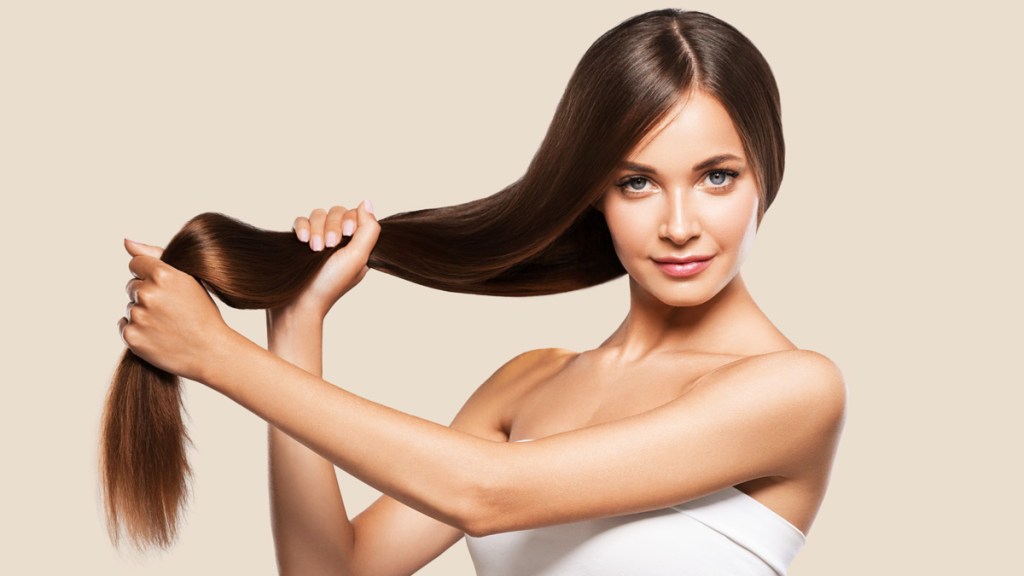
Beautiful, healthy hair is a reflection of your overall well-being and self-confidence. Unfortunately, the pursuit of the perfect hairstyle often leads to damage caused by heat styling, chemical treatments, and environmental factors. The good news is that with the right knowledge and care, you can maintain luscious, damage-free locks. In this comprehensive guide, we’ll explore how to prevent hair damage in various scenarios, from your everyday styling routine to safeguarding your hair against environmental elements.
Part 1: Heat Styling
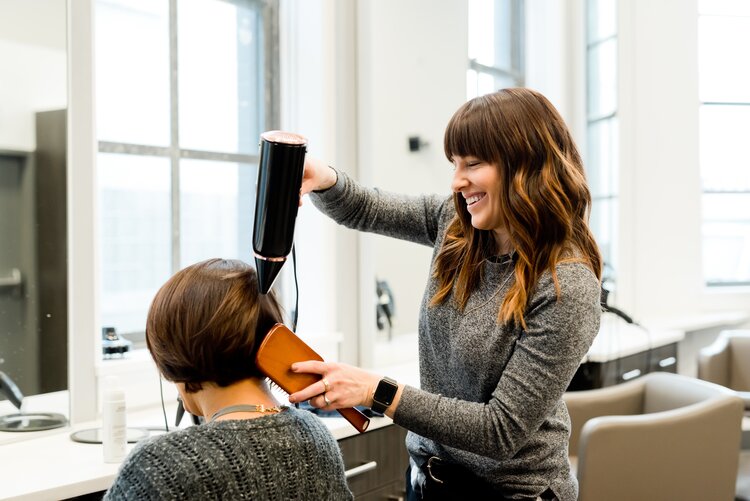
- Lower the Heat: Excessive heat from styling tools can cause severe hair damage. Reduce the risk by dialing down the temperature on your straighteners, curling irons, and blow dryers. Using heat-resistant styling products can also help protect your hair.
- Invest in Quality Tools: High-quality styling tools often distribute heat more evenly and are less likely to cause hot spots that can damage your hair. Look for ceramic or tourmaline options that offer better heat control.
- Use Heat Protectants: Always apply a heat protectant spray or serum before heat styling. These products create a barrier between your hair and the high temperatures, reducing the risk of damage.
- Limit Styling Frequency: Try to reduce the frequency of heat styling. Embrace natural hairstyles on some days to give your hair a break.
- Pre-Style Care: Before applying heat, ensure your hair is completely dry. Wet or damp hair is more susceptible to damage.
- Practice Safe Styling Techniques: Proper styling techniques can make a significant difference. For example, when using a flat iron, move it smoothly and steadily through your hair, avoiding the same section multiple times.
- Cool Down Gracefully: After heat styling, allow your hair to cool down before styling further. Rapid temperature changes can weaken the hair structure.
Part 2: Chemical Treatments
- Consult a Professional: When considering chemical treatments like perms, relaxers, or color treatments, consult a professional stylist. They have the experience to use the products safely and effectively.
- Patch Test: Always perform a patch test before a new chemical treatment to check for allergies or adverse reactions. It’s a simple step that can save you from significant discomfort.
- Deep Conditioning: Regular deep conditioning treatments can strengthen your hair and restore moisture, especially after chemical treatments. Look for products with nourishing ingredients like keratin or argan oil.
- Maintain Color Safely: If you color your hair, use color-safe shampoos and conditioners to preserve your color while preventing damage. It’s also advisable to limit the frequency of color touch-ups.
- Minimize Overlapping: When retouching roots or touching up color-treated hair, try to avoid overlapping with previously colored sections. Overlapping can lead to excessive chemical exposure and potential damage.
- Limit Relaxer Use: If you use relaxers or straightening treatments, be cautious of overuse. Overprocessing can lead to significant hair damage. Follow the manufacturer’s guidelines for timing.
- Trim Regularly: Trim your hair every 6-8 weeks to get rid of split ends and maintain overall hair health. This is especially important after chemical treatments.
Part 3: Environmental Factors
- UV Protection: Just as you protect your skin from UV rays, your hair needs the same care. Wear a hat or use hair products with UV protection to shield your hair from the sun’s harmful effects.
- Moisture Control: Extreme weather conditions can lead to hair damage. In dry climates, use humidifiers in your living space to maintain adequate moisture levels. In humid environments, use anti-frizz products to control excess moisture.
- Swimming Precautions: Chlorine and saltwater can be harsh on your hair. Rinse your hair with fresh water before swimming to prevent it from absorbing too much of these elements. After swimming, use a clarifying shampoo to remove any residual chemicals.
- Protection from Wind and Pollution: Wear your hair in protective styles like braids or buns to prevent wind from tangling or damaging it. Additionally, consider using a silk scarf to protect your hair from pollution, which can strip it of its natural oils.
- Dry and Cold Weather: In dry, cold conditions, the air can sap moisture from your hair, leaving it brittle and prone to damage. Use a moisturizing shampoo and conditioner to combat this.
- Avoid Tight Hairstyles: Tightly pulled hairstyles like ponytails or braids can lead to hair breakage. Opt for looser styles, or use hair-friendly accessories like scrunchies or silk hair ties.
- Avoid Overwashing: Overwashing your hair can strip it of its natural oils, leaving it more vulnerable to environmental damage. Find a balance that works for your hair type and lifestyle.
Conclusion
Preventing hair damage caused by heat styling, chemical treatments, and environmental factors requires a combination of mindful care, appropriate products, and gentle styling practices. By implementing the tips and techniques outlined in this guide, you can maintain the health and vitality of your hair while still enjoying the freedom to style and experiment. Remember, healthy hair is beautiful hair, and with dedication and knowledge, you can achieve the stunning, damage-free locks you desire.

 Wigs Canada Store – Buy Canadian Wigs Human Hair Wig Shop